Blepharoplasty is a surgical procedure that focuses on improving the appearance and function of the eyelids, and understanding whether upper or lower surgery is suitable can help patients make informed decisions. People who notice drooping lids, puffiness, or fine lines may consider this treatment for both cosmetic and functional reasons. This guide explains the differences between upper and lower blepharoplasty UK patients should be aware of, outlines the benefits and risks of each, and discusses the appropriate timing for treatment.
For more detailed information about eyelid surgery, including clinical guidance and patient pathways, you can visit the JR Medical blepharoplasty page.
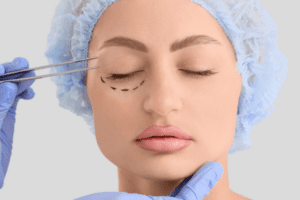
Understanding Blepharoplasty
Blepharoplasty refers to surgery on the eyelids to remove excess skin, fat, or tissue. The procedure is typically categorised into two types: upper eyelid surgery, which addresses drooping lids and hooded eyes, and lower blepharoplasty UK clinics perform to target puffiness, under-eye bags, and wrinkles. While the overarching goal of blepharoplasty is eyelid rejuvenation, each type addresses different aesthetic and functional concerns.
Upper Blepharoplasty
Upper eyelid surgery is primarily performed to remove sagging skin that can obscure the natural crease of the eyelid. This excess skin is often a result of ageing, sun exposure, or genetic factors. In some cases, drooping upper lids can interfere with peripheral vision, making the procedure both cosmetic and functional.
Lower Blepharoplasty UK
Lower eyelid surgery addresses concerns below the eye. Patients often notice puffiness, under-eye bags, fine wrinkles, or a tired appearance. When undergoing lower blepharoplasty UK based, the procedure can involve the removal of excess fat, tightening of skin, or smoothing of the area immediately under the eye. This may be performed using traditional incisions just below the lash line or through a transconjunctival approach that leaves no visible external scar.
Signs that lower blepharoplasty UK surgery may be needed include:
- Bulging fat creating prominent under-eye bags.
- Fine lines and wrinkles etched beneath the eyes.
- Loose or sagging skin causing a chronically tired look.
- Dark circles exaggerated by puffiness.
Difference Upper/Lower: A Closer Look
The difference between upper and lower blepharoplasty extends beyond location. Upper eyelid surgery often focuses on skin and subtle fat removal to restore the lid contour, whereas lower blepharoplasty UK procedures may involve more intricate fat repositioning or tightening of the underlying muscle.
- Upper surgery primarily corrects drooping and hooded lids.
- Lower blepharoplasty UK improves puffiness and under-eye hollows.
- Healing patterns differ, with lower surgery sometimes showing more swelling initially.
- Functional outcomes, such as improved vision, are more common with upper eyelid procedures.
Understanding these differences is crucial for patients seeking tailored results. A combined approach may be considered for those wanting comprehensive rejuvenation.
Benefits of Blepharoplasty
Blepharoplasty offers both aesthetic and functional advantages. Patients often report feeling more refreshed and alert. Primary benefits include:
- Smoother, more youthful eyelid appearance.
- Reduction of under-eye puffiness and bags via lower blepharoplasty UK techniques.
- Improved peripheral vision when upper lids are heavy.
- Restoration of natural eyelid contours and increased confidence.
Consulting with an experienced surgical team, such as trusted lower blepharoplasty UK specialists, helps determine which procedure will deliver the most significant improvement for your individual concerns.
Risks and Considerations
As with any surgical intervention, blepharoplasty carries potential risks. These may include temporary swelling, bruising, dry eyes, or asymmetry. Specific considerations include:
- Upper blepharoplasty may temporarily affect eyelid closure.
- Lower blepharoplasty UK can result in transient puffiness or temporary under-eye hollowing.
- Combined procedures may prolong recovery time.
Best Age for Blepharoplasty
Timing is often influenced by the patient’s concerns and skin condition. Typically, candidates for lower blepharoplasty UK are in their late 30s to 80s, though some younger patients seek surgery for genetic eyelid issues or early ageing signs like persistent eye bags.
Vision Improvement
One notable functional benefit of upper blepharoplasty is vision improvement. While lower blepharoplasty UK is largely cosmetic, improvements in eyelid support from upper surgery can relieve obstructions and restore peripheral sight. For more information on surgical standards and eye health, you can refer to the British Oculoplastic Surgey Society (BOPSS).
Recovery and Healing
Recovery from blepharoplasty varies depending on the procedure type. Upper eyelid recovery is typically quicker, whereas lower blepharoplasty UK may involve more initial swelling, particularly if fat repositioning was performed.
General recovery guidelines:
- Use cold compresses to reduce swelling.
- Keep the head elevated during the first few nights.
- Avoid strenuous activity for at least one to two weeks.
- Attend follow-up appointments with your lower blepharoplasty UK surgical team.
Many patients resume normal activities within one to two weeks, though final results may take several months to settle completely.
Choosing the Right Procedure
Selecting upper, lower, or combined blepharoplasty depends on your unique anatomy. A detailed surgical assessment at a lower blepharoplasty UK clinic allows the surgeon to determine the optimal approach.
Key decision points include:
- Location and extent of sagging or puffiness.
- Functional needs, such as vision obstruction.
- Skin quality and overall facial proportions.
Understanding the differences between upper and lower eyelid surgery is essential for making an informed decision. While both procedures aim to rejuvenate the eyes, upper surgery often addresses functional issues, whereas lower blepharoplasty UK focuses on under-eye bags and fine lines.


