If you are considering a hair restoration procedure in Essex, understanding what happens during a hair transplant from consultation through to recovery can help you make a confident and informed decision. This treatment is a carefully planned medical procedure designed to restore thinning or lost hair using your own healthy follicles.
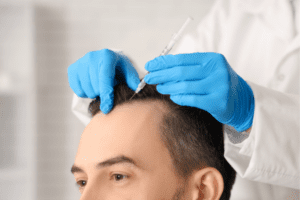
For many people, choosing this option represents a structured and clinically supervised approach to managing hair loss. It is not simply a cosmetic appointment, but a staged surgical process that requires assessment, preparation, and aftercare. Many patients begin their research by reviewing detailed information about what happens during a hair transplant at JR Medical, which helps clarify the techniques involved, the level of planning required, and the outcomes they can reasonably expect.
This guide outlines each phase in detail, including how UK clinics typically structure treatment, the differences between FUE and FUT methods, and what to expect during downtime.
Initial Consultation in Essex
The process begins with a thorough consultation at our JR Medical clinic in Essex. This appointment is essential to determine whether you are a suitable candidate and to explain in person what happens during a hair transplant procedure.
Assessment of Hair Loss
A clinician examines your scalp to assess the pattern and extent of hair thinning. Common causes include male or female pattern baldness, hormonal changes, or scarring. Your donor area, usually at the back or sides of the head, is evaluated to ensure there are enough healthy follicles available.
During this stage, the specialist will typically:
Examine scalp health and density in both donor and recipient areas.
Assess the stability of your hair loss pattern.
Estimate the number of grafts required.
Determine whether surgical restoration is appropriate for you.
Medical History and Expectations
You will be asked about your medical history, medications, and previous treatments. A realistic understanding of density and coverage is crucial for satisfaction with the final outcome. You may be asked about:
Previous use of medications for hair loss (such as Minoxidil or Finasteride).
Any scalp conditions or dermatological issues.
Family history of baldness.
Your desired hairline shape and density.
Treatment Planning
If you are considered suitable, a personalised treatment plan is created. This outlines the number of grafts required, the technique to be used, and an overview of the recovery timeline. When researching clinics, many patients also look into the experience and background of the JR Medical team. Reviewing information about the medical team can provide reassurance about qualifications, training, and clinical standards.
Preparing for the Procedure
Once your surgery date is booked, you will receive instructions to follow in the days leading up to treatment. Part of understanding what happens during a hair transplant involves knowing how to prepare your body for surgery.
Pre-Treatment Guidance
Patients are typically advised to avoid alcohol and smoking for several days beforehand. Certain medications, especially blood-thinning drugs, may need to be paused under medical supervision.
Avoiding alcohol: For at least 48 hours prior.
Smoking: Refraining where possible to improve blood flow.
Supplements: Stopping certain vitamins (like Vitamin E) that increase bleeding risk.
Transport: Arranging a ride home after the procedure.
On the Day of Surgery
On the day of your procedure in Essex, the clinical team at JR Medical will review the treatment plan and answer any final questions. Photographs are taken for medical records, and the hair in the donor area is trimmed to allow accurate extraction of grafts.
FUE vs FUT Explained
In the hair transplant procedure, UK clinics generally offer two main methods. Choosing between them is a major factor in what happens during a hair transplant surgery.
Follicular Unit Extraction (FUE): This involves removing individual follicular units directly from the donor area using a small punch tool. FUE is often chosen because it leaves tiny dot scars and involves no stitches.
Follicular Unit Transplantation (FUT): This involves removing a thin strip of scalp from the donor area, which is then dissected into individual grafts under a microscope.
Step-by-Step Hair Transplant Stages
Understanding the step-by-step hair transplant stages can help reduce anxiety and clarify what happens during a hair transplant once you are in the surgical suite.
Stage One: Anaesthesia
Local anaesthetic is applied to both the donor and recipient areas. This ensures the procedure is comfortable. You remain awake throughout, but the scalp becomes numb.
Stage Two: Graft Extraction
In FUE, individual grafts are removed one by one. In FUT, a strip is removed and then divided. Each graft typically contains one to four hairs. This is often the longest part of what happens during a hair transplant, taking several hours.
Stage Three: Preparing the Recipient Area
Tiny incisions are made in the thinning areas. The angle and direction of these incisions are vital to replicate natural growth patterns. This stage focuses on designing a natural-looking hairline and ensuring balanced density.
Stage Four: Graft Placement
Each graft is inserted into the prepared sites. Precision is vital to ensure alignment. By the end of the session, the transplanted follicles are securely in place.
What to Expect Immediately After
After your procedure in Essex, you will receive detailed aftercare instructions. A significant part of what happens during a hair transplant journey occurs in the hours after leaving the clinic.
All patients go home the same day following their procedure. Small scabs will form around each implanted graft; it is vital not to pick or scratch them.
As part of JR Medical’s standard of care, you will be provided with all necessary shampoos and medication for both before and after the procedure, covering the first week of recovery until you are able to resume your normal routine.
Early recovery guidance often includes:
Sleeping with your head elevated to reduce swelling.
Avoid strenuous activity for at least a week.
Keeping the scalp clean and following gentle washing protocols.
Downtime and Recovery Timeline
Understanding downtime is an important part of deciding whether the procedure fits your schedule. Here is a breakdown of what happens during a hair transplant recovery:
Week One: Redness and mild swelling are common. Most visible scabs fall away within 7 to 10 days.
Weeks Two to Four: It is normal for the transplanted hairs to shed. This is known as “shock loss” and is a temporary phase.
Months Three to Six: New growth typically becomes noticeable.
Months Six to Twelve: Significant improvement is visible, with final results usually assessed at the one-year mark.
Ongoing Support and Aftercare
As part of the JR Medical experience, follow-up appointments are arranged immediately after your surgery to monitor your progress and ensure optimal healing.
You are always one phone call away from being seen, with the clinical team available to address any concerns and answer questions throughout your recovery journey. This level of ongoing support is a key part of what happens during a hair transplant process in a reputable UK clinic.
Factors Specific to Essex Patients
Choosing a clinic in Essex, like JR Medical, means your follow-up appointments are easily accessible. For more professional insights on hair health and surgical standards in the UK, you can visit the British Association of Hair Restoration Surgery (BAHRS).
Planning time off work in advance, especially if your role involves public interaction, can make the recovery period more comfortable. Local aftercare visits at JR Medical allow clinicians to monitor healing and progress closely.
Final Considerations
Hair transplant surgery is a major cosmetic procedure and should not be taken lightly. Choosing your surgeon and your team of practitioners wisely is essential to achieving safe, natural-looking results.
Undergoing a hair transplant in Essex involves a structured process that begins with consultation and ends with gradual, natural-looking growth. From understanding FUE vs FUT to knowing exactly what happens during a hair transplant on the day of surgery, being informed helps you approach the procedure with confidence.


